Airflow
Checking how conditioned air moves through the property — from registers to return paths.
Heating · Cooling · Airflow
A comfortable home relies on the quieter side of HVAC work: clean airflow, equipment that runs predictably, and controls that respond the way they should. We review those conditions before anything else.
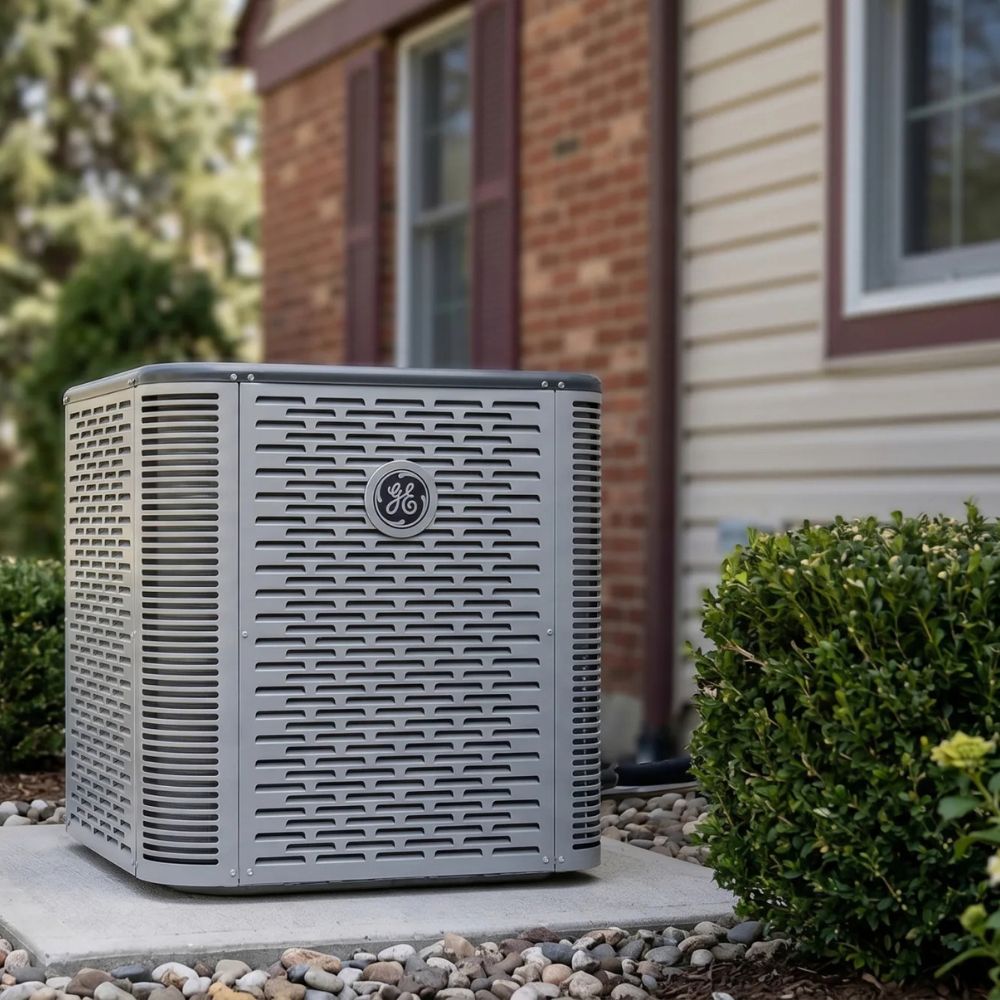
What a service visit covers
Checking how conditioned air moves through the property — from registers to return paths.
Looking at the operating condition of the heating or cooling equipment and its accessible components.
Reviewing thermostats, settings, and how quickly the system responds to a call.
Considering whether the system needs preparation for changing weather conditions ahead.
Our approach
At Big AC Repair Service in [Location], HVAC diagnosis starts with observation before repair. A service visit works through a set of practical checks that help explain what is happening with the heating and cooling system — and why.
From those findings we discuss realistic repair or replacement options, so the decision is based on what the equipment shows rather than a sales pitch.
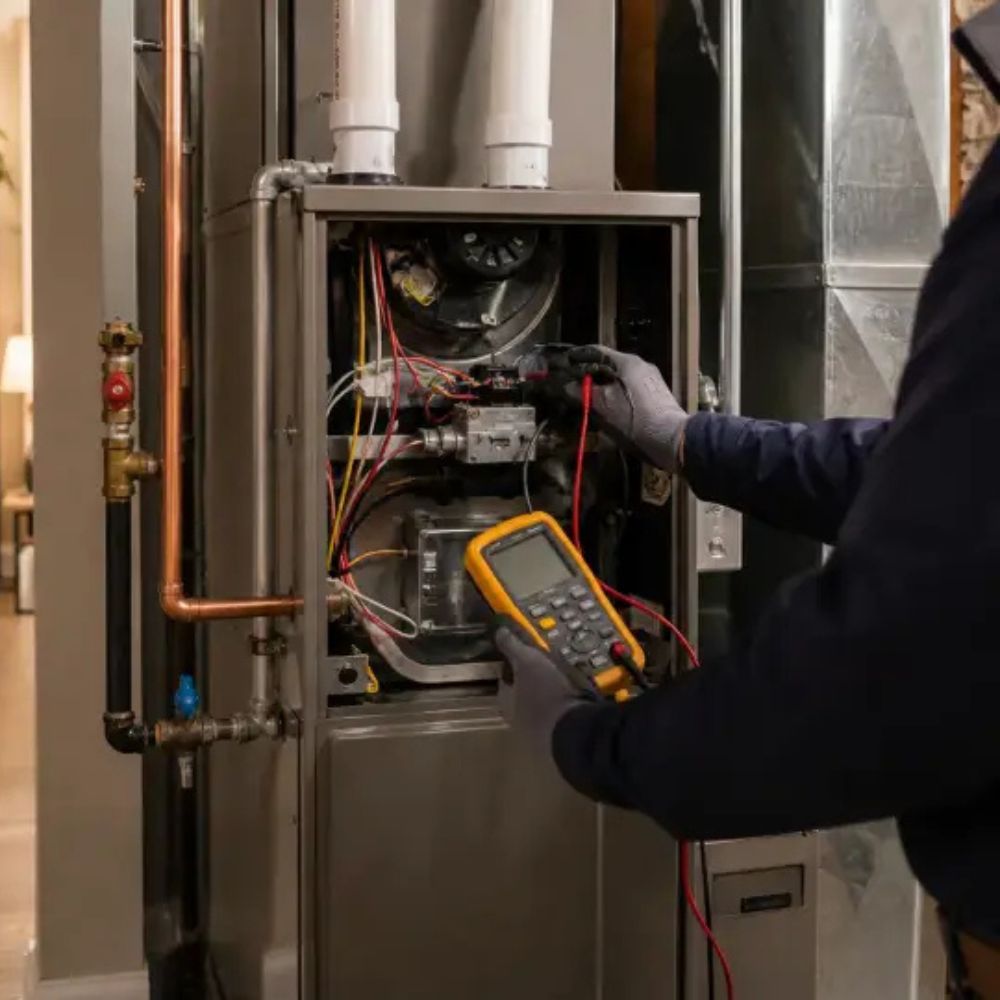
What we work on
Services are arranged around practical HVAC work: diagnosing, servicing, and preparing systems for the seasons they have to handle.
When a system stops behaving — cycling oddly, running without holding temperature, or sounding different — we work through the system component by component to find the cause before quoting any work.
.jpg?width=1000)
Checks of cooling output, airflow across coils, and how the unit cycles under load.
Observation of burners, heat exchangers, and blower behavior for even heat delivery.
Verifying thermostat settings, wiring, and the way the system responds to calls.
Review of registers, filters, returns, and ductwork for balanced air movement.
Comparing repair versus replacement costs based on equipment age and condition.
Reviewing room-to-room temperature differences and humidity considerations.
Pre-season checklists that get systems ready for peak heating or cooling use.
Why homeowners call us back
What we offer is a consistent way of working: explain what was found, what it means, and what the sensible options are.
We explain what was checked and what the findings mean for how the system runs today.
Repair or replacement options are laid out based on the condition of the actual equipment.
We consider how the system distributes conditioned air throughout the property, not just the equipment.
Routine maintenance considerations are flagged before they become larger service concerns.
Technical findings are explained in language homeowners can actually use to make decisions.
Get in touch
The best first step is usually a conversation: describe what the system is doing, and we can help decide whether a visit makes sense. Scheduling happens over the phone, with details confirmed before we arrive.
Phone
Service area
Fullerton, CA, residential and light-commercial
Scheduling
Mon To Sun : 9 AM To 6 PM
What you can watch
These are the everyday signs that tell you whether an HVAC system is doing its job. Nothing here requires opening the equipment itself.
Check filters regularly and replace them according to the filter type and system requirements — a clean filter is the cheapest improvement an HVAC system gets.
Keep the area around outdoor equipment clear of leaves, vegetation, and other obstructions so air can move freely across the coil.
Check that thermostat settings correspond with the desired heating or cooling schedule, and that the display matches the room temperature.
Pay attention to weak airflow at registers or noticeable differences between rooms — both point to blocked or undersized paths.
Notice unusual sounds, odors, cycling behavior, or changes in temperature control, and make a note of when they started.
Consider having equipment checked before periods of heavy heating or cooling use rather than at the first sign of trouble.
Anything involving electrical, refrigerant, gas, or internal HVAC components should be handled by qualified service personnel — these checklist items are for observation only.
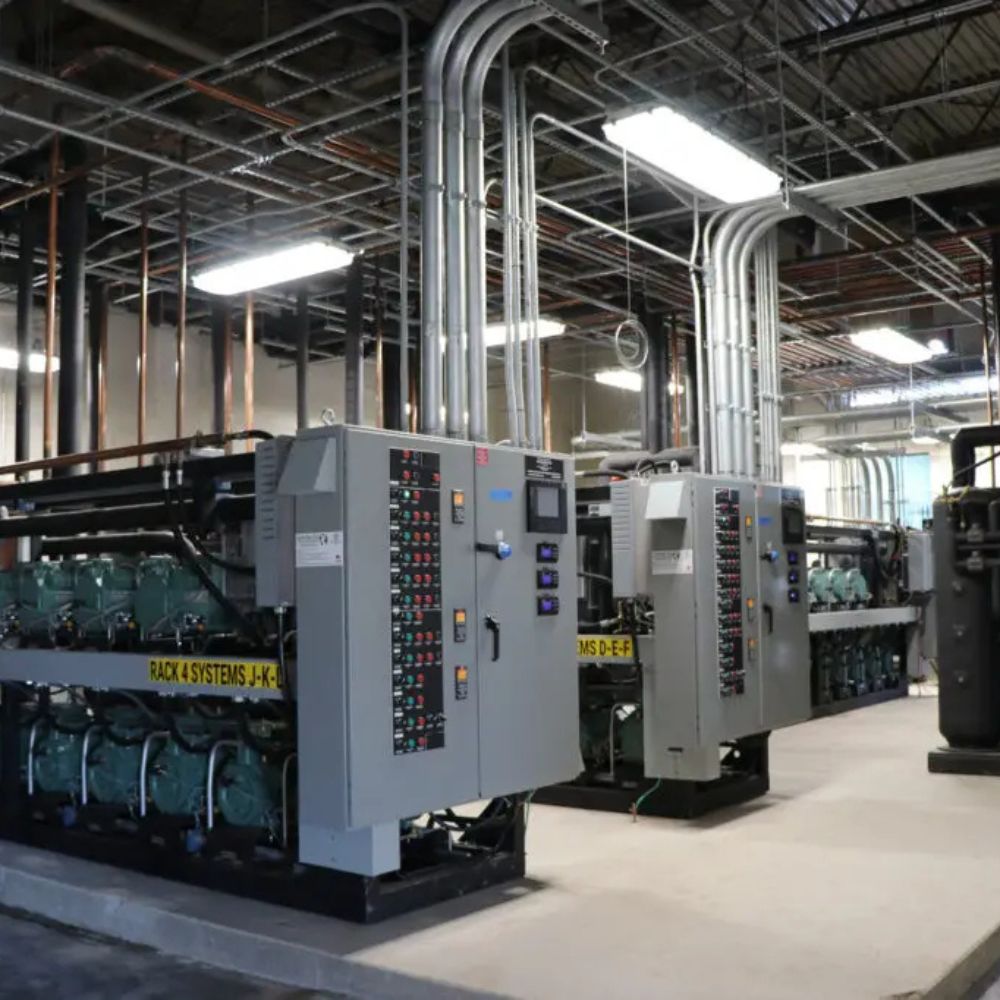
System Update
Systems signal their condition over time. If you notice any of the following patterns, an evaluation can help you understand what is happening — and what the options are.
An evaluation is a decision aid, not a replacement pitch. It helps clarify whether continued repair, routine maintenance, or replacement makes the most sense for your situation.
Request an EvaluationEveryday HVAC tips
If registers push noticeably less air than they used to, something is restricting movement — often a filter or a blocked return.
Trim back plants and clear debris so the outdoor unit can pull air freely across its coil instead of working against a wall of leaves.
Filter change intervals depend on the filter and the home. A visible layer of dust is a reliable sign it is time to replace.
A grinding, hissing, or loudly cycling system is telling you something. Write down what you hear and when it happens.
Beyond a couple of degrees, temperature gaps between rooms usually point to ductwork or balancing issues worth investigating.
Frequent large adjustments force the system to work harder. Consistent settings support steady, even operation.